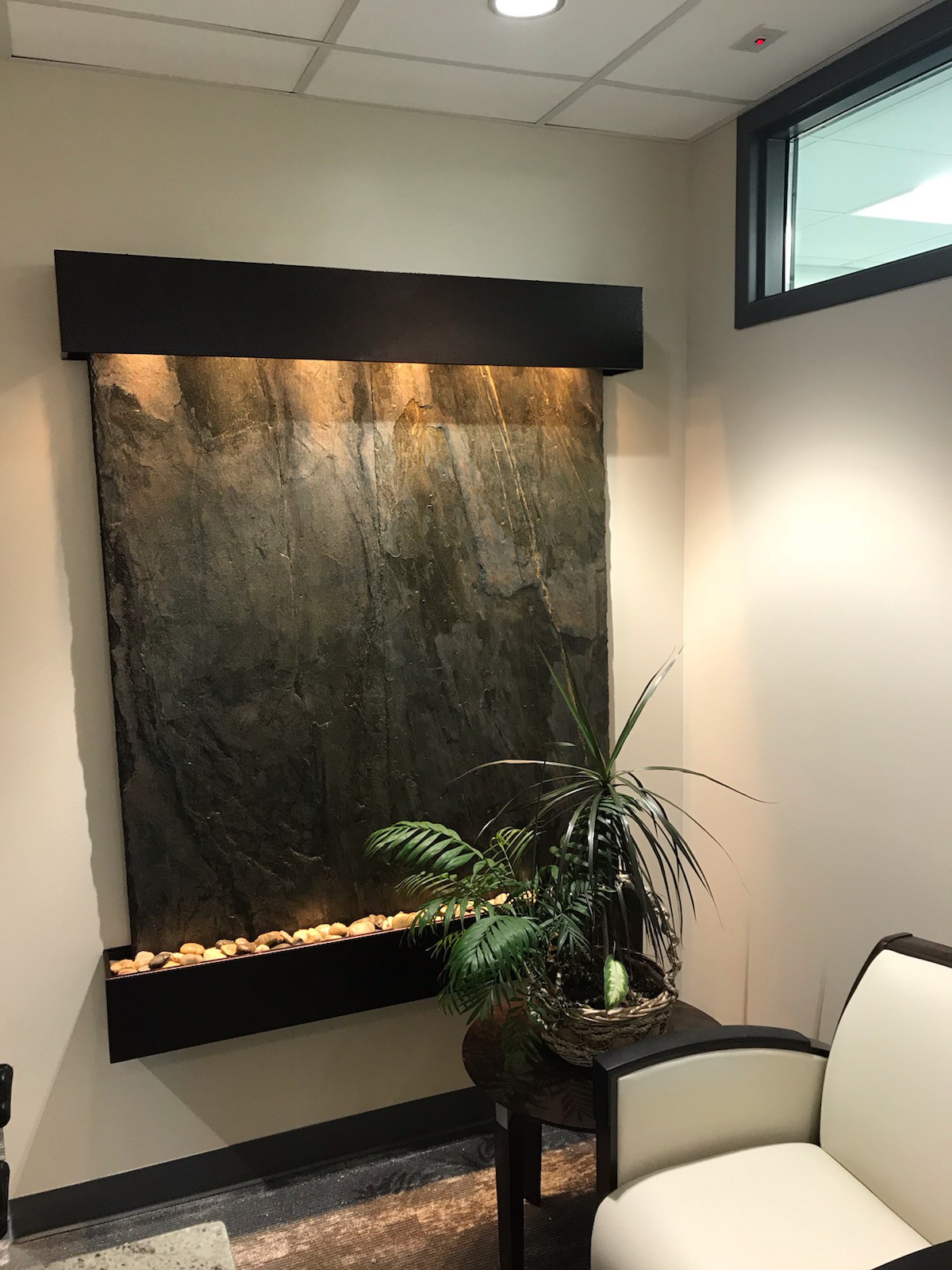
Why Moving Water Is One of the Most Effective Tools for Creating Calm Indoor Environments—Backed by Science
In today’s fast-paced world, creating a calm indoor environment is more important than ever. While lighting and layout play a role, one element is often overlooked despite its powerful impact: moving water.
Indoor water features are no longer just decorative. They’re being used to shape how a space feels—bringing a sense of calm, balance, and focus to both homes and commercial environments.
Why Water Feels Calming
The effect of water isn’t just aesthetic—it’s supported by research.
A study published in The Journal of the Acoustical Society of America (2017) found that indoor water sounds significantly increased perceived calmness and pleasantness, while reducing the impact of background noise. Participants consistently rated spaces with water features as more natural and restorative.
Similarly, a 2020 study in Frontiers in Psychology found that natural sounds—especially water—help reduce perceived stress and improve overall environmental satisfaction.
In short, water doesn’t just enhance how a space looks—it changes how it’s experienced.
A Natural Way to Reduce Noise
One of the most practical benefits of moving water indoors is its ability to soften unwanted noise.
Unlike artificial white noise, flowing water creates a dynamic, natural sound that blends into the background. This helps mask distractions like conversations, traffic, or mechanical noise without becoming intrusive.
Rather than eliminating sound, water reshapes it—making environments feel quieter and more comfortable.
Bringing Nature Indoors
Water features also support biophilic design—the practice of incorporating natural elements into built spaces.
The gentle movement and sound of water create what’s often called “soft fascination,” giving the mind something to engage with without requiring effort. This helps reduce mental fatigue and creates a more relaxed, balanced environment.
A Simple, Lasting Impact
Incorporating moving water doesn’t require a large installation. Even smaller features can meaningfully influence the atmosphere of a room when thoughtfully placed.
By combining sound, movement, and a connection to nature, indoor water features offer a simple, research-supported way to transform a space—making it not just more visually appealing, but more enjoyable to live and work in.